Thoughts on this month in beekeeping by Janine Sparks
OCTOBER 2026
Well after the fierce heat of the summer, the weather is more clement. My bees have been going mad, and my garden is confused! Normally at this time of year flowers are tailing off, but touring my garden this week, I have found all sorts of flowers having renewed blooms now that they have had a bit of rain and a spell of more reasonable warmth. My bees are making the most of it all, and I am keeping an eye on space. One of my colonies had a full super, plus an almost empty one when I looked earlier in September. This week, the second super is now nearly full!
I will be removing the last Apiguard tray in a couple of days and tucking the girls up for the winter, but I will keep an eye on the weather and activity. Queen excluders are off, to allow access to the honey super. I have been feeding a couple of colonies that have been a bit light on stores but I will keep watch on how they are doing – not a full inspection but a quick peek with minimal intervention. I don’t want to unstick the propolis that insulates and glues the hive together if I can help it. If you put a varroa board underneath your colonies, you can have a look at what is coming out of your colonies periodically – it tells a story in itself!
Of course, the bees will still be flying when it is warm and dry enough. If you think you still need to feed, then give them fondant now, as it will be difficult for the bees to reduce the water content of syrup to store and use during the winter months.
What’s going on in the hive?
The older bees will have started to die out and the new young bees bred in September and October will sustain the colony through the long winter months. The queen will still lay eggs through the winter, so you should see bees bringing in pollen on warmer days where the forage allows.
The drones will have been ejected from the hives as their services are not required during the winter months.
What’s in the larder?
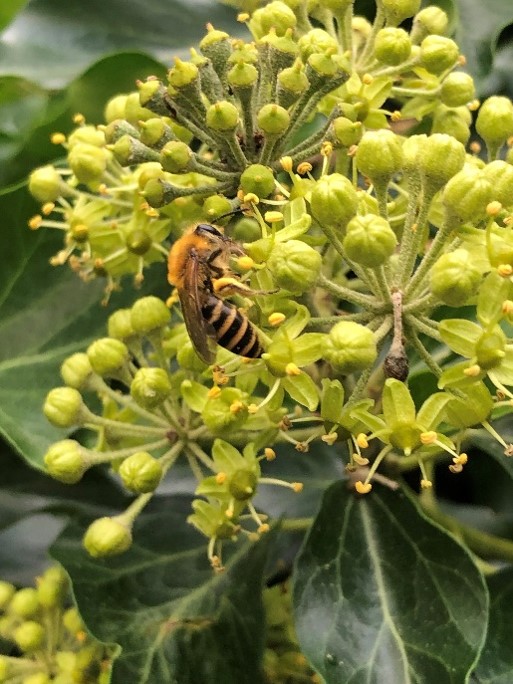
The ivy in my garden is attracting all the pollinators around – a wonderful sight of honeybees, ivy bees, wasps, European hornets, butterflies and flies feasting on it. I spend a few minutes a day watching the ivy just in case a yellow-legged hornet shows up.
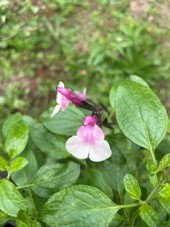
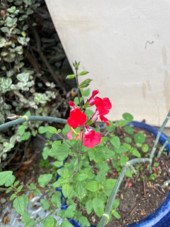
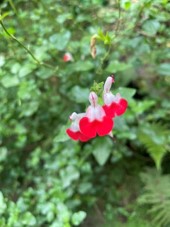
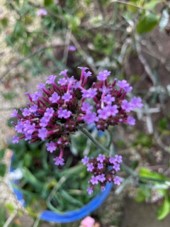
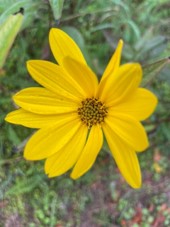
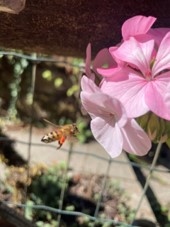
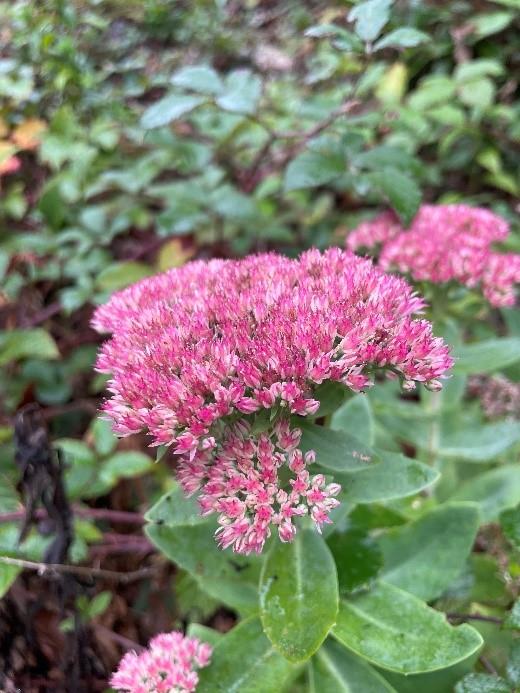
In my garden, I have many different salvias in bloom, Michaelmas daisies, rudbeckia, verbena bonariensis, pelargoniums, sedum, ivy and heather – and Himalayan Balsam is still blooming by the river.
Now onto cleaning up all that kit, rendering wax and preparing for the autumn shows!
Enjoy your bees!